
Tangem, the NFC Crypto Card: Why it feels like a hardware wallet and acts like a magic trick
Okay, so check this out—I’ve been fiddling with a handful of hardware wallets for years. Whoa! Some were clunky. Some were brilliant in niche ways. My instinct said the card form factor would be a gimmick. But then I tapped a Tangem card on my phone and my first impression changed fast. Seriously? Yes. It felt like pulling a credit card out of my pocket and suddenly my keys were in my hand — or rather, my pocket. There’s a weird, simple elegance to that, and I want to explain why it matters.
First off, the elevator pitch: Tangem cards are NFC-based crypto wallets embedded in a tamper-resistant chip. Short version—private keys are generated and held inside the card’s secure element and they never leave. Medium version—the card signs transactions via the NFC handshake with your phone, so you get the security of an offline key with the convenience of a tap. Longer thought: that combination shrinks the attack surface for online malware while keeping daily usability high, which is why many users trade the hairy backup rituals of seed phrases for a physical object they can touch and stash.
I’m biased, but this part really sold me. Backups used to mean writing 24 words on paper and then guarding them like grandma’s silver. Now it’s more like „hide the card in your safe or split multiple cards across trusted locations.“ On one hand that’s more tactile and lower-tech. Though actually, wait—let me rephrase that: it trades the universal portability of a mnemonic for a physical custody model that some people find easier to manage. Also, somethin‘ about carrying a card feels less dramatic than carrying a laminated sheet of words around.
Security basics, no fluff. The private key never leaves the card. The card requires NFC proximity to sign, and signing is authorized by the card itself rather than by software on the phone. Hmm… that means malware on your phone can’t exfiltrate the key. Initially I thought that was the whole story. But then I realized there are practical trade-offs: physical theft, cloning protections, and loss recovery differ from seed-based wallets. On one hand, losing a Tangem card is like losing a hardware wallet device; on the other hand, replacing or recovering funds without a backup card can be more complicated. It’s a design decision more than a flaw.
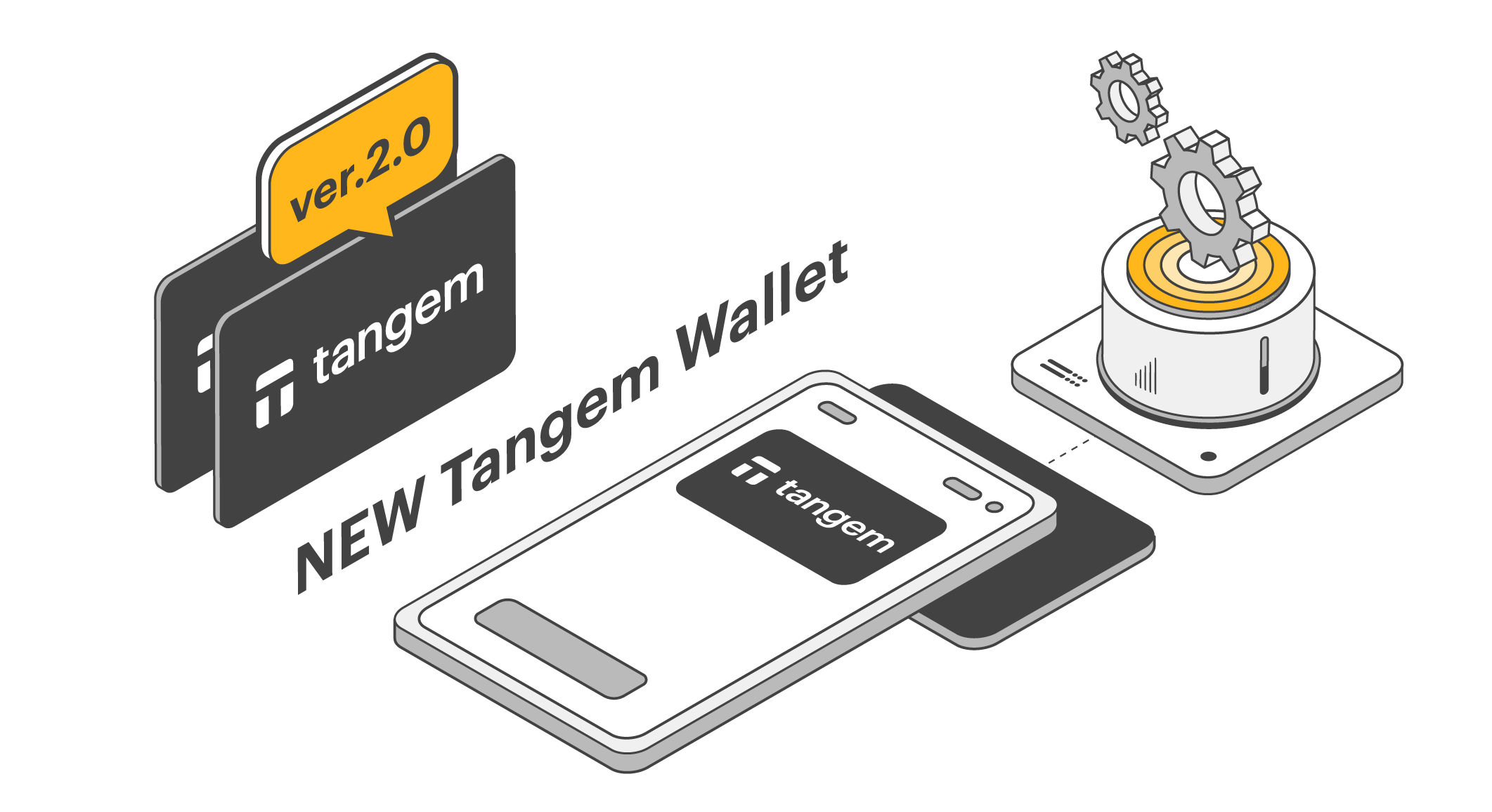
Real-world use: daily spend vs. long-term custody
I use different tools for different jobs. A Tangem card makes sense for „everyday crypto interactions“—tapping to sign when you’re sending a small amount, or authenticating quickly in front of a vendor or friend. The tangem wallet app pairs with the card, shows balances, and walks through transactions. For higher-stakes custody or large holdings, I still treat cold-storage setups with multi-sig and geographically separated backups as the gold standard. The balance feels right for many people: secure enough for comfortable day-to-day use, but you have to accept it isn’t the Swiss-bank, multi-sig fortress for billions. I’ll be honest: that part bugs me sometimes, because folks want one solution for everything.
Check this out—if you want to see how the phone app interacts and get a sense of the UX, try the tangem wallet and you’ll see what I mean. It keeps the steps minimal without burying you in jargon. My first run-through had one tiny snag (a firmware nudge and a restart), but the process was quick after that. There’s a human element: your phone’s NFC antenna placement matters. Seriously—be patient and try different angles if your device is finicky.
On the subject of trust: the Tangem model is interesting because trust is shifted toward a physical object that you can inspect and test. You can run checks, verify firmware status, and confirm the card’s responses. But trust also lives in the supply chain and manufacturing controls; if you’re buying cards from third-party sellers at a discount, that raises red flags. Buy from reputable channels or official partners. This isn’t theoretical—my gut said „cheap card? bad idea“ the moment I saw knockoffs online. My instinct was right. Don’t be that person.
Usage patterns vary. Some people carry a single card and treat it like a mobile vault. Others use a Tangem card as a signing key paired with an offline backup (another card tucked away). I met someone once who carried three cards in a money clip—one active, two backups. On one hand that felt over the top, though the logic is sound: redundancy vs. convenience. It’s messy sometimes; human behavior always is. But functionally it works.
Let’s talk threats without getting doom-and-gloom about every possible angle. The biggest real-world risks are physical loss, social engineering, and buying counterfeit cards. There are mitigations: store your backup card(s) in separate secure locations, don’t share images or serial numbers on social media, and verify card authenticity through official apps. On the technical side, smart cards resist physical extraction, and many implement one-time keys or counters to block cloning attempts. These defenses raise the bar significantly compared to a purely software wallet.
One small rant: the UX inconsistency across mobile devices can be frustrating. Android NFC tends to be smoother for me than iOS, depending on the phone model and OS version. This is not a dealbreaker. But it is something you should test before trusting the card with serious funds. Also, the idea of a „single point of failure“ feels different here—it’s physical instead of mnemonic. That trade-off is worth evaluating for your personal threat model.
On backups, recovery, and practical tips
Here’s what I recommend—practical, not preachy:
- Use at least two cards for anything above a few hundred dollars. One active, one backup.
- Store backups in separate, secure places (safe deposit box, home safe, trusted family member).
- Verify authenticity in the app when you first get the card. Do not accept opened packaging.
- Practice small transactions first to learn the NFC dance and confirm your phone works reliably with the card.
- Think like an idiot (I say that lovingly): rehearse losing the card—how would you prove ownership? What documentation would help? Plan it.
There’s also a governance consideration if you’re using Tangem cards for a business or team. Single-card custody has strong convenience, but team access requires policies: who holds backups, how are access controls audited, what happens if a custodian quits. For enterprises, Tangem can be part of a layered strategy but usually isn’t a complete solution alone.
FAQ
How is Tangem different from a hardware wallet like a Ledger or Trezor?
Short answer: form factor and workflow. Tangem is a contactless card that stores keys in a secure element and signs via NFC; Ledgers and Trezors are USB/Bluetooth devices with more exposed interfaces and often integrate with desktop apps. Tangem prioritizes tap-and-go convenience while still keeping keys offline. Long answer: each has trade-offs in multi-sig support, backup philosophy, and enterprise features—choose based on your threat model and daily needs.
Can someone clone my Tangem card?
Practical cloning is extremely hard. The cards use tamper-resistant secure elements and anti-cloning protections. That said, buying from unofficial sellers increases risk. The right approach: verify authenticity, keep firmware updated, and treat the card as a physical key that needs secure storage.
I’ll wrap this up with a personal note: I’m not 100% certain about everything here, and that’s okay. Crypto tooling evolves fast. But the Tangem approach—one that bridges physical intuition with modern cryptography—resonates. It’s not perfect, and it won’t replace every other method, though it is a compelling option for people who want secure keys without the mnemonic theater. If you’re curious and want to try the app-driven experience, check out tangem wallet and give a small test transaction a shot. Try it in a coffee shop, or on a subway platform, or next to your kid’s baseball glove—wherever you normally pull out your wallet. It’s a small magic trick that just might change how you think about custody.
Hinterlasse einen Kommentar
An der Diskussion beteiligen?Hinterlasse uns deinen Kommentar!